Civil & Commercial Litigation Lawyer in Kuala Lumpur
Dexter Cheong is a law firm based in Kuala Lumpur providing advice and representation in civil and commercial disputes. The practice covers contractual claims, debt recovery, shareholder and partnership disputes, negligence, fraud, injunctions, judgment enforcement and appellate proceedings.
Advice on disputes arising from commercial agreements, supply arrangements and business relationships, including claims concerning non-payment, performance, termination and loss. The Firm reviews the contractual documents and correspondence to identify the issues and consider the available course of action.
Debt recovery
Assistance with unpaid invoices, outstanding contractual payments and other debt claims, from reviewing the account and issuing a letter of demand to representation in recovery proceedings. Relevant information includes the basis of the debt, the payment history and any dispute raised by the other party.
Shareholder & partnership disputes
Advice and representation in disputes involving shareholders, directors, partners and the management of a business. Work may involve reviewing the company records, shareholders’ agreement, partnership arrangements and transactions giving rise to the dispute.
Negligence, fraud & fiduciary duties
Civil claims involving negligence, misrepresentation, fraud and alleged breaches of fiduciary duties. Instructions are assessed against the available documents, the relevant relationships, the loss claimed and the evidence connecting that loss to the conduct in question.
Injunctions & interim relief
Advice on applications for interim relief connected with civil or commercial proceedings. Where urgent assistance is sought, provide a concise chronology, the immediate concern, the documents supporting it and details of any existing proceedings or court orders.
Enforcement, appeals & dispute resolution
Advice concerning the enforcement of judgments, civil appeals and the resolution of disputes through negotiation, mediation or arbitration. The appropriate scope of work depends on the documents, the procedural position and the client’s commercial objectives.
Preparation and advocacy
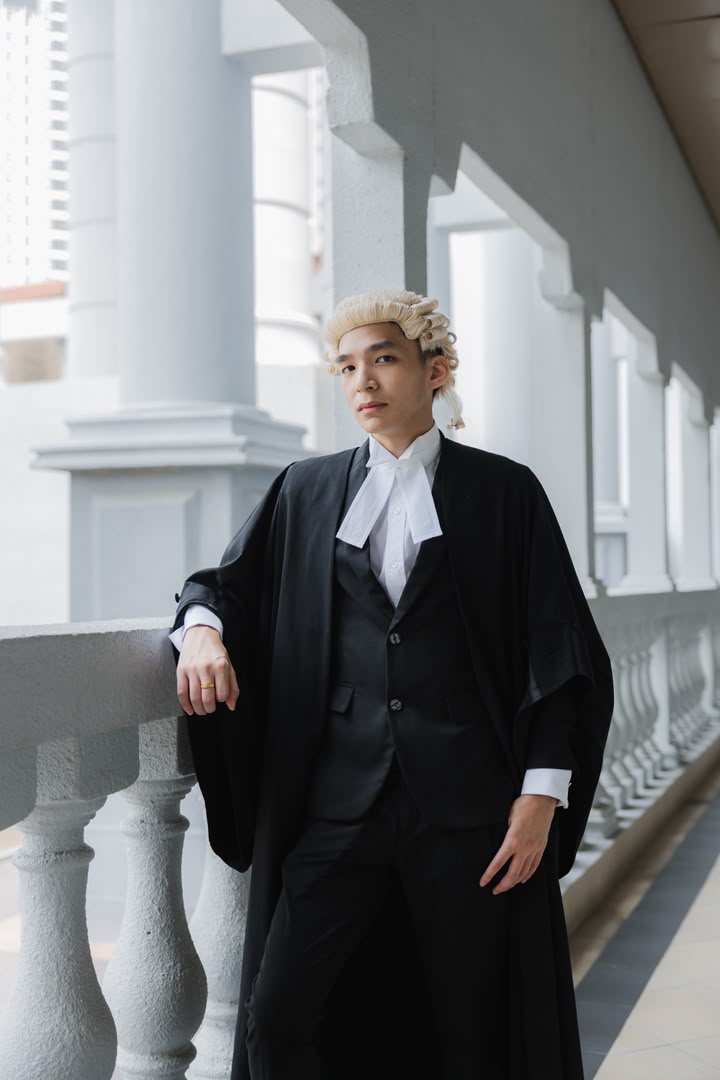
Dexter Cheong is an Advocate and Solicitor of the High Court of Malaya and a Barrister-at-Law (Middle Temple). He holds an LL.B. and an LL.M. in International Commercial Law (Shipping), both from Cardiff University.
Dexter’s professional experience includes civil and commercial litigation and appellate proceedings, with work involving matters before the High Court, Court of Appeal and Federal Court of Malaysia. His approach combines document review, legal analysis and consideration of the practical objectives of the dispute.
A clear chronology and the key documents help the Firm understand the dispute. Where available, provide:
The names of the parties and a short account of their relationship
The relevant contracts, quotations, purchase orders and invoices
Payment records and the calculation of any amount claimed
Letters of demand, correspondence and any responses received
Court papers, orders and upcoming hearing dates, if proceedings have begun
Common questions
Can the Firm assist before proceedings are started?
Yes. Instructions may include reviewing the dispute, advising on the documents, preparing a letter of demand or response, and discussing settlement. Explain the outcome you are seeking and whether the other party has already raised a claim.
Can I seek advice if I have received court papers?
Yes. Provide the complete papers, the date and manner in which they were received, and any hearing or response date stated. Identify whether another lawyer has already acted in the matter.
Does every commercial dispute need to go to trial?
The Firm can discuss negotiation, mediation, arbitration and court proceedings as relevant to the instructions. The contractual arrangements, the nature of the disagreement and the other party’s position will inform that discussion.
What if the other party disputes only part of the debt?
Separate the amounts admitted, paid and disputed, and provide the correspondence explaining the disagreement. This helps the Firm assess the account and the issues requiring further advice.